Healthy 2025-02-13 23:00:28
What to Eat for Gout: 12 Best Foods for Gout Sufferers
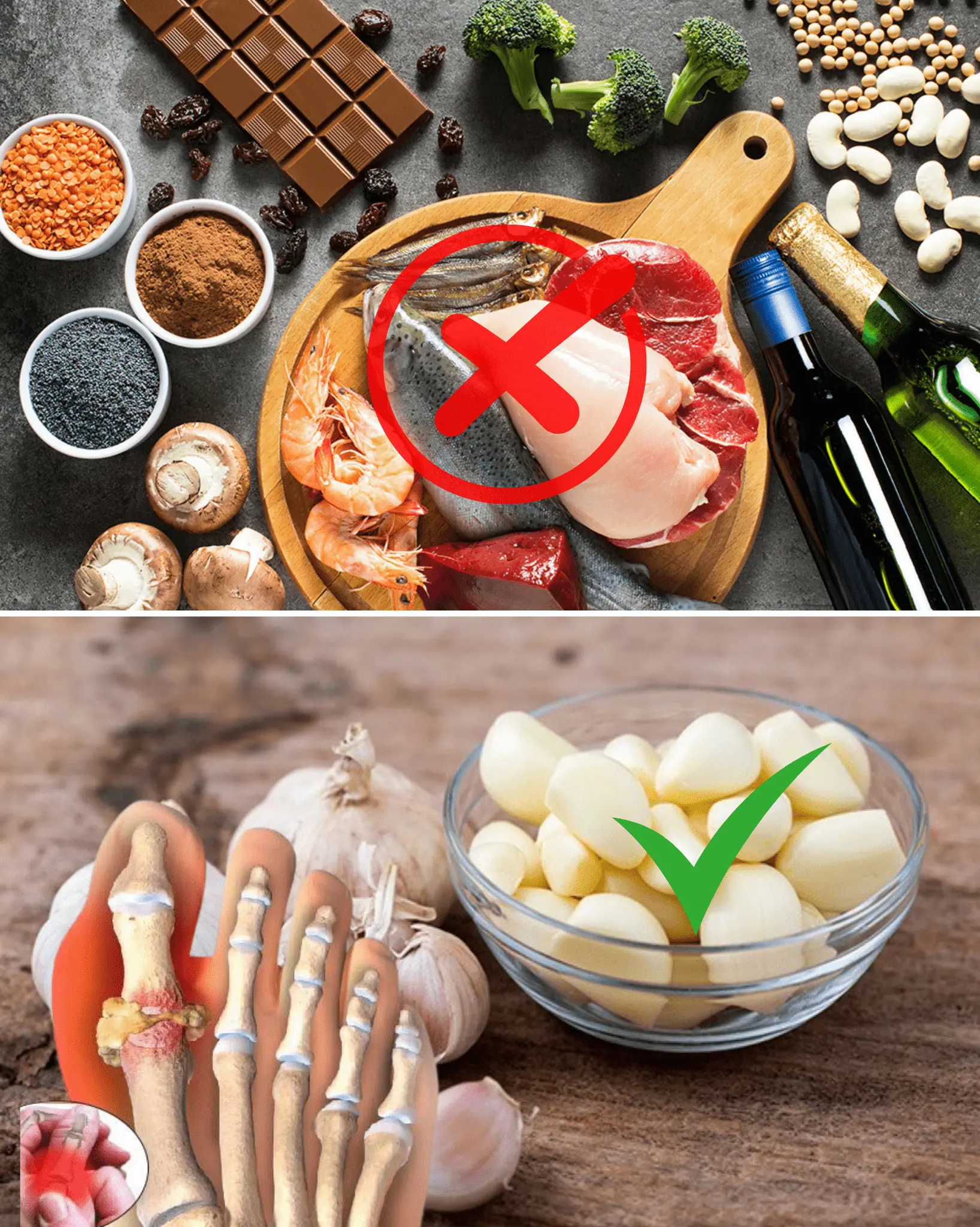
Gout is a metabolic disorder characterized by high uric acid levels in the blood, leading to the accumulation of monosodium urate crystals in the joints. This causes swelling, inflammation, and chronic joint pain attacks.
How Can Diet Help Manage Gout?
Purines are organic compounds naturally produced by the body but can also be obtained from food sources such as meat, alcohol, and seafood. Modifying your diet can help control gout by reducing purine intake, thereby lowering uric acid levels and providing anti-inflammatory nutrients to alleviate pain.
Since gout is a chronic condition, it cannot be completely cured but can be managed effectively through dietary adjustments and lifestyle changes to reduce the frequency and severity of gout attacks.
Important Note:
🔹 Dietary changes do not cure gout but can help reduce flare-ups and slow down joint damage progression.
Best Foods for Gout Sufferers
To manage gout effectively, consume foods rich in anti-inflammatory properties (high in vitamins and antioxidants) while avoiding foods that increase uric acid levels or trigger inflammation, such as high-sugar and high-protein foods.
1. Low-Purine Foods
Since uric acid is produced when the body breaks down purines, it is essential to consume low-purine foods to prevent excess uric acid buildup.
✅ Best Low-Purine Foods for Gout:
✔ Eggs
✔ Nuts & Seeds
✔ Low-fat dairy (milk, yogurt, cheese)
✔ Whey protein isolate
✔ Most fruits and vegetables
💡 Note: Studies show that even vegetables high in purines, such as spinach, asparagus, broccoli, mushrooms, and beans, do not increase gout risk or trigger gout attacks.
2. Low-Fructose Foods
Fructose, a natural sugar found in fruits and processed foods, is known to increase uric acid production. Research suggests that consuming fructose can raise uric acid levels up to four times within 30 minutes, increasing the risk of gout attacks.
✅ Low-Fructose Fruits Safe for Gout:
✔ Citrus fruits (oranges, lemons, grapefruits)
✔ Pineapple
✔ Berries (strawberries, blueberries, raspberries, cherries)
✔ Grapes
3. Low-Glycemic Index (GI) Foods
The Glycemic Index (GI) measures how quickly a food raises blood sugar levels. High-GI foods cause spikes in blood sugar, triggering an immune response and inflammation.
🔹 Why Gout Sufferers Should Eat Low-GI Foods:
✔ Reduces inflammation – Prevents sudden spikes in blood sugar that worsen joint inflammation.
✔ Prevents diabetes – Gout patients have a 36% higher risk of developing diabetes.
✅ Best Low-GI Foods for Gout:
✔ Leafy greens
✔ Beans & legumes
✔ Whole grains (brown rice, oats, buckwheat, quinoa)
4. Vitamin C-Rich Foods
Vitamin C lowers uric acid levels by enhancing kidney function, promoting uric acid excretion, and reducing joint inflammation.
✅ Best Vitamin C Foods for Gout:
✔ Citrus fruits – Oranges, lemons, grapefruits
✔ Berries – Strawberries, blueberries, cherries
✔ Vegetables – Broccoli, bell peppers, spinach
✔ Other sources – Kiwi, tomatoes, potatoes
Top 20 Foods for Gout Management
1. Low-Fat Yogurt
Dairy products lower uric acid levels by enhancing uric acid excretion through urine, preventing gout flare-ups.
2. Citrus Fruits
Rich in vitamin C, citrus fruits help regulate uric acid levels and reduce inflammation.
3. Cherries
Cherries contain anthocyanins, an antioxidant that reduces uric acid levels and inflammation. Eating 10 cherries per day can reduce gout attacks by 35%.
4. Beans & Legumes
Beans provide plant-based protein with lower purine levels compared to meat.
💡 Tip: Limit bean intake to 30g per day to prevent excess purine consumption.
5. Water
Staying hydrated flushes uric acid from the body, preventing crystal formation in joints.
6. Coffee
Coffee reduces uric acid levels by enhancing kidney function and inhibiting xanthine oxidase, an enzyme involved in purine metabolism.
7. Avocados
High in omega-3 fatty acids, avocados help reduce inflammation and improve joint health.
8. Salmon
Salmon is rich in omega-3s, which help reduce gout-related pain and swelling. However, consume in moderation (2-3 times per week).
9. Olive Oil
Like avocados and salmon, olive oil contains omega-3s, making it a great anti-inflammatory choice.
10. Leafy Green Vegetables
Leafy greens are rich in antioxidants, vitamins C, E, and K, and fiber, all of which help reduce inflammation and support overall health.
11. Berries
Berries are low in fructose and high in anti-inflammatory antioxidants, making them ideal for gout sufferers.
12. Green Tea
Green tea is loaded with catechins and EGCG, powerful antioxidants that help reduce joint inflammation and pain.
13. Broccoli
Broccoli is low in purines (70mg per 100g) and high in vitamin C, helping regulate uric acid levels.
14. Whole Grains
Whole grains regulate blood sugar, which in turn helps prevent gout attacks.
15. Garlic
Garlic contains S-allyl cysteine, which helps lower uric acid levels by inhibiting purine breakdown.
💡 Tip: Use garlic in marinades to reduce purine content in meat and fish.
16. Apples
Apples contain quercetin, which reduces inflammation, and vitamin C, which flushes out uric acid.
17. Bananas
Bananas are low in purines and rich in potassium, which helps kidneys eliminate uric acid more efficiently.
18. Pineapple
Pineapple contains bromelain, an enzyme known for its strong anti-inflammatory and pain-relief effects.
19. Eggs
Eggs provide high-quality protein with low purine content, making them safe for gout sufferers.
20. Skinless Chicken
Lean chicken (without skin) offers high-quality protein while being lower in purines than red meat.
Final Thoughts
While gout cannot be cured, dietary modifications can significantly reduce symptoms and prevent flare-ups. By consuming low-purine, anti-inflammatory foods and avoiding high-purine triggers, you can effectively manage gout and improve your quality of life.
🥦 Make smart food choices to keep gout under control and live pain-free! 💪
News in the same category
Don’t Drink Coconut Water Before You Know These 11 Secrets!
Pumpkin Seed Milk — The Natural Parasite Cleanser

Fast Rice Water Trick for a Brighter Smile
Morning Drink to Revive Your Kidneys Fast
The Onion Recipe That Could Transform Your Blood Sugar, Support Cleaner Arteries, and Protect Your Heart!

Top 4 Fruits That Help Your Kidneys Flush Out Toxins While You Sleep

Ginger, Clove, and Honey: The Natural Trio Your Body Will Thank You For
Heal 15 Years of Joint Pain Naturally with Turmeric and Honey Tea
This Juice Revived My Grandma’s Energy — Say Goodbye to Fatigue and Body Pain with This Natural Recipe
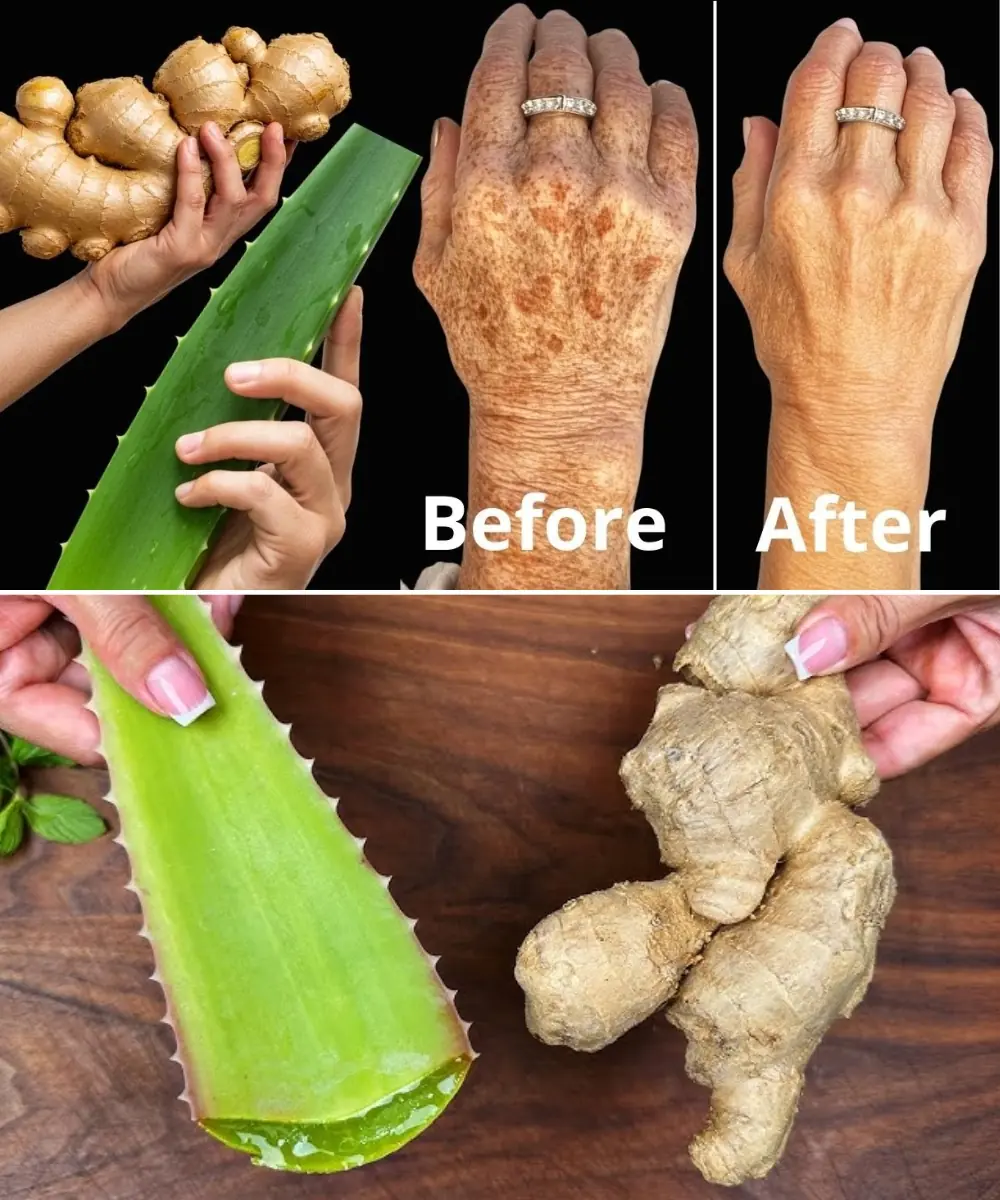
I’m 66 but Look 36 — My Secret? Aloe Vera & Ginger for Firm, Smooth Skin
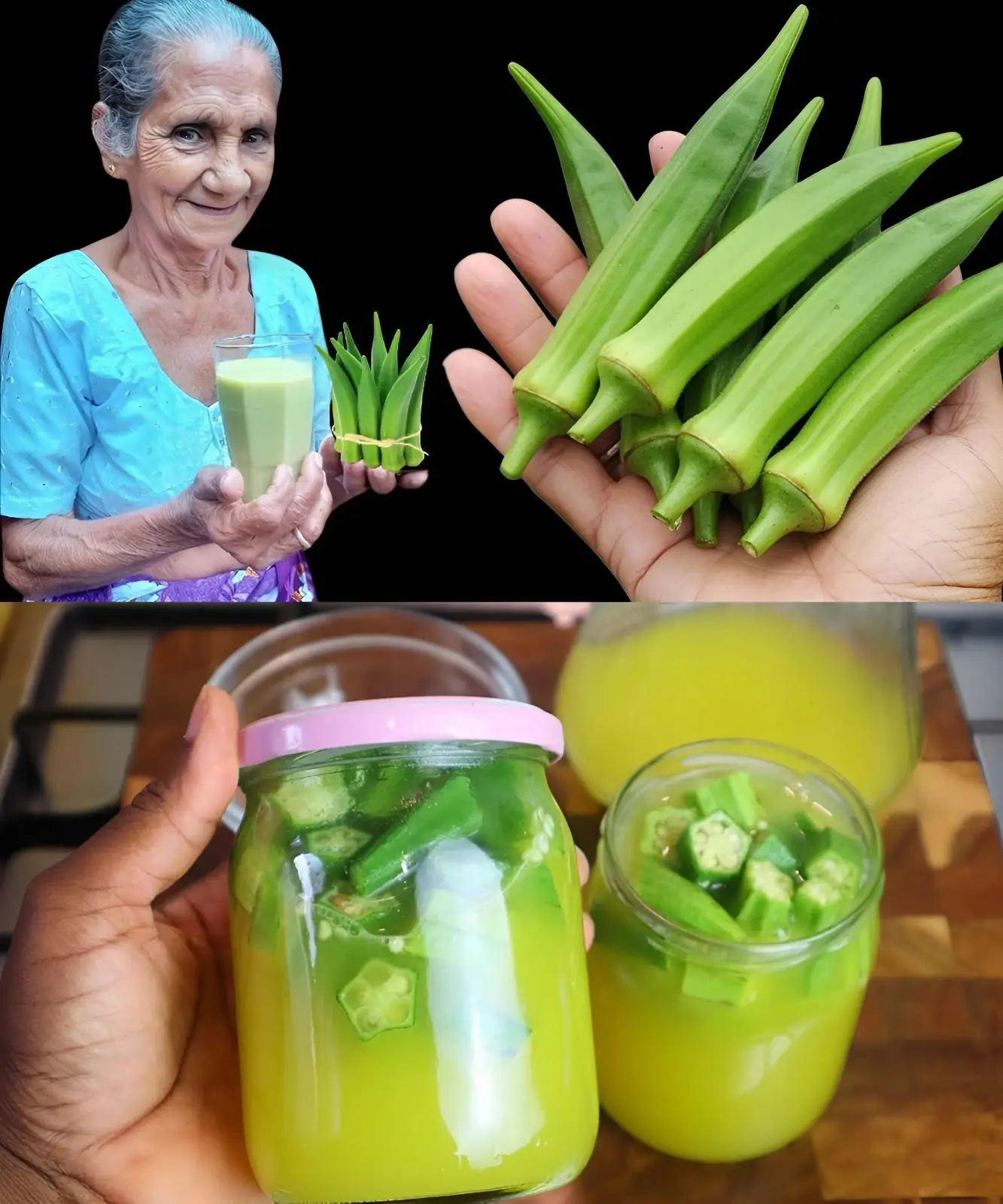
How to Make Okra Water to Treat 17 Health Problems Naturally

Banana and Egg Mask to Look Younger Even in Your 80s
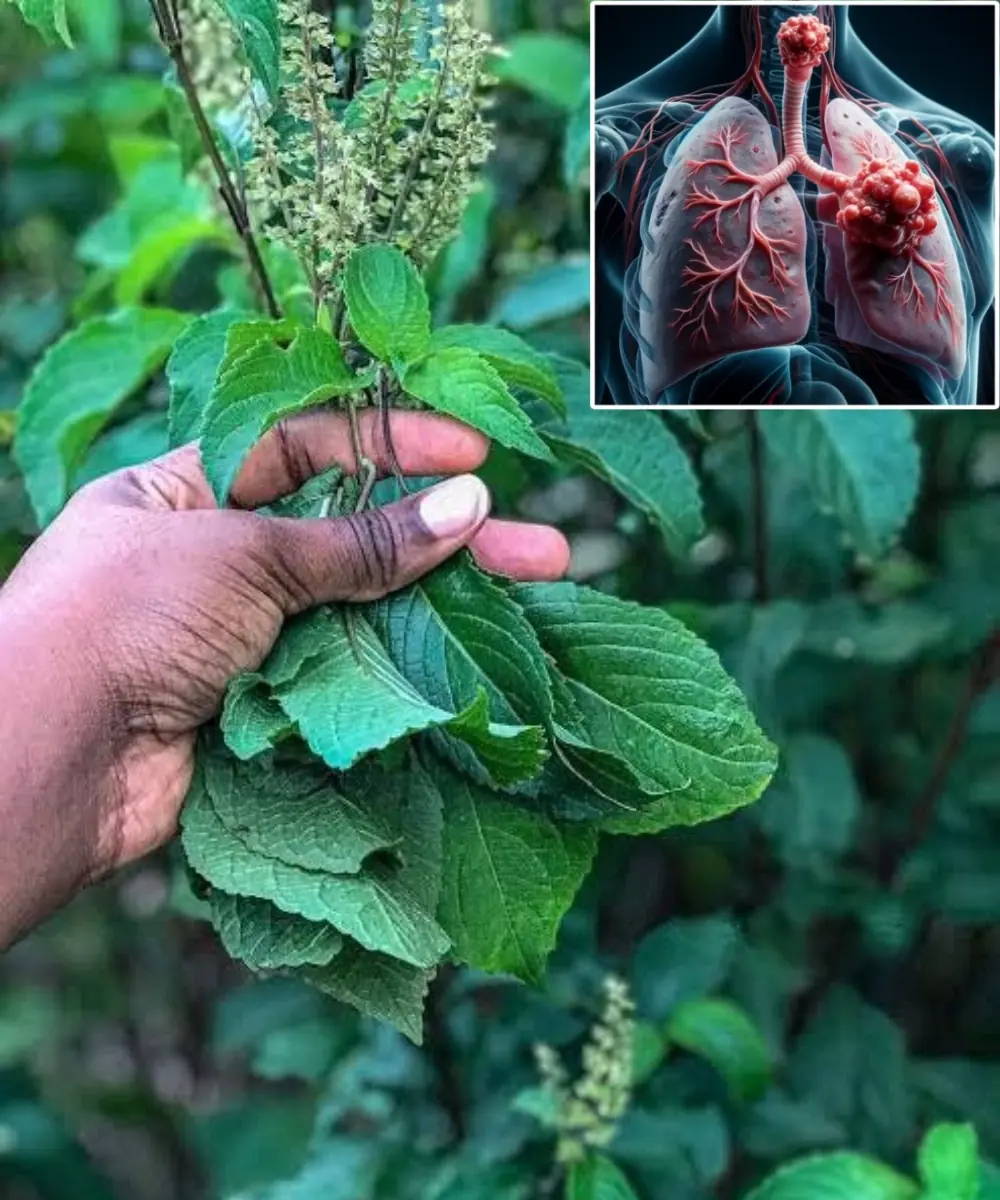
Scent Leaf Secrets Unveiled: 10 Surprising Health Benefits of This Miracle Herb

From White Hair to Black Hair Naturally in Just 5 Minutes — Fast Hair Growth Remedy
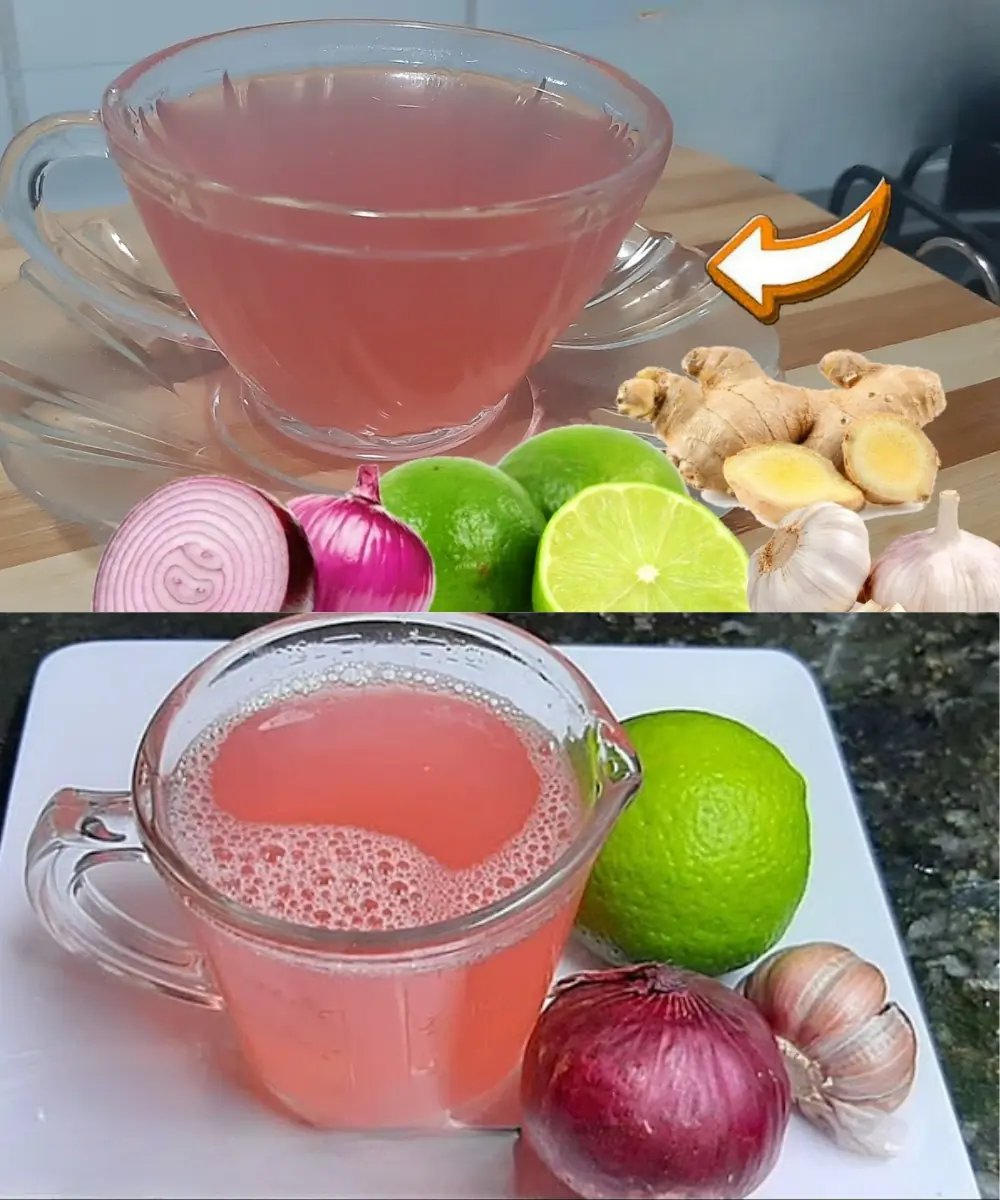
Boost Your Immune System Year-Round with Garlic, Onion, and Lemon
When You Start Eating 2 Eggs Every Day, Here’s What Happens to Your Body (Is It BAD??)

13 Warning Signs Your Kidneys Are Failing – Don’t Ignore These Symptoms

Save Your Heart: 8 Foods to Naturally Lower Cholesterol

Silent Signs of Artery Blockages Seniors Can’t Ignore
News Post

WHAT HAPPENS WHEN WE TONGUE KISS…See more
Fitness 30/10/2025 13:23
Nature’s Secret: 4 Healing Leaves That Support Metabolism, Immunity & Circulation Naturally
Healthy 27/10/2025 19:23
Don’t Drink Coconut Water Before You Know These 11 Secrets!
Healthy 27/10/2025 19:21
Pumpkin Seed Milk — The Natural Parasite Cleanser
Healthy 27/10/2025 19:19
Fast Rice Water Trick for a Brighter Smile
Healthy 26/10/2025 22:42
Morning Drink to Revive Your Kidneys Fast
Healthy 26/10/2025 22:38
The Onion Recipe That Could Transform Your Blood Sugar, Support Cleaner Arteries, and Protect Your Heart!
Healthy 26/10/2025 22:37
Top 4 Fruits That Help Your Kidneys Flush Out Toxins While You Sleep
Healthy 26/10/2025 22:35
Ginger, Clove, and Honey: The Natural Trio Your Body Will Thank You For
Healthy 26/10/2025 19:06
Heal 15 Years of Joint Pain Naturally with Turmeric and Honey Tea
Healthy 26/10/2025 19:04
This Juice Revived My Grandma’s Energy — Say Goodbye to Fatigue and Body Pain with This Natural Recipe
Healthy 26/10/2025 19:02

The Benefits of Eating 2 Boiled Eggs Every Morning: Transform Your Health!
Health News 26/10/2025 01:57

If Your Kidneys Are in Danger, Your Body Will Send You These 8 Signals — Don’t Ignore Them
Health News 26/10/2025 01:54

The Surprising Effects of Avocado on Your Heart and Brain
Health News 26/10/2025 01:44

Ways to Get Over a Man Who Didn’t Value You
Fun Fact 26/10/2025 01:36
I’m 66 but Look 36 — My Secret? Aloe Vera & Ginger for Firm, Smooth Skin
Healthy 25/10/2025 19:44
How to Make Okra Water to Treat 17 Health Problems Naturally
Healthy 25/10/2025 19:42
Banana and Egg Mask to Look Younger Even in Your 80s
Healthy 25/10/2025 19:29
Scent Leaf Secrets Unveiled: 10 Surprising Health Benefits of This Miracle Herb
Healthy 25/10/2025 19:24
From White Hair to Black Hair Naturally in Just 5 Minutes — Fast Hair Growth Remedy
Healthy 25/10/2025 19:22